Know exactly
what you're buying.
Plain-English guides by Fenora, reviewed by Yash Chandpara: diamonds, rings and fine jewellery. No jargon, no pressure.
Lab Grown Diamond Guidance · 42 guides
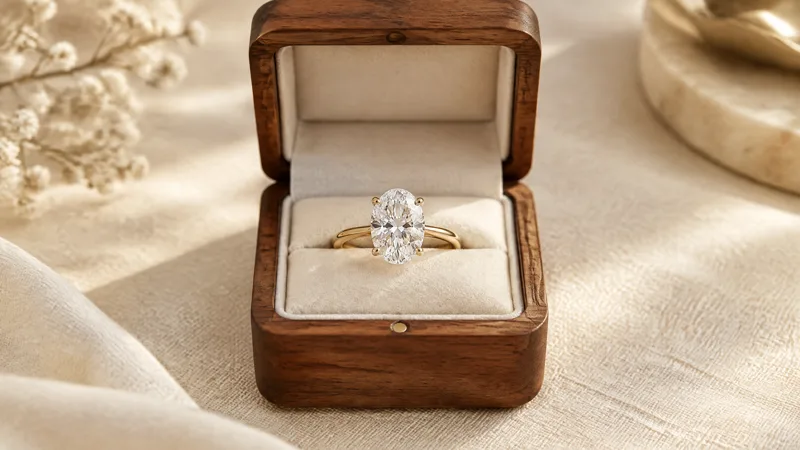
8 Reasons to Buy a Lab Grown Diamond Engagement Ring
Eight specific, genuine reasons why a lab grown diamond engagement ring is the right choice — not a compromise, not a second-best, but the…
9 min read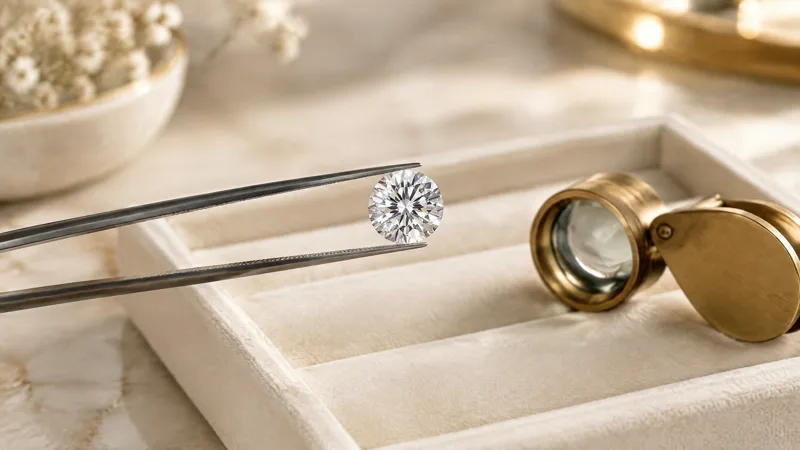
Are Lab Grown Diamonds Lower Quality?
No. Lab grown diamonds are not lower quality than mined diamonds. They are graded on exactly the same IGI scale, by the same graders, using the…
8 min read
Are Lab Grown Diamonds Real Diamonds?
Yes. A lab grown diamond is a real diamond — same carbon, same crystal structure, same physical properties as a mined diamond. This guide explains…
9 min read
Are Lab Grown Diamonds Worth It?
The most honest question in diamond buying. Are lab grown diamonds worth it — and for whom? This guide examines every dimension of the decision:…
10 min read
Are Lab Grown Diamonds as Good as Real Diamonds?
Yes — on every measurable quality dimension. The same hardness, the same optical properties, the same IGI grading, the same durability. Lab grown…
8 min read
Asscher vs Square Emerald Cut — The Difference
The Asscher cut and the square emerald cut are both square step-cut diamonds — but they are different. The Asscher has specific proportions and an…
8 min read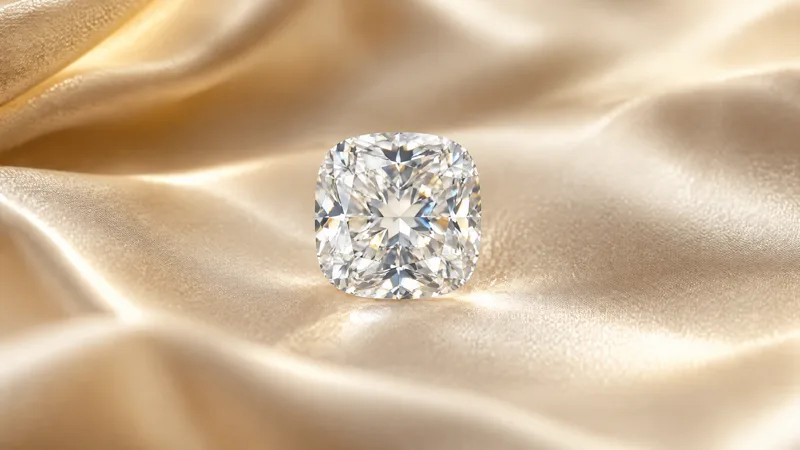
Cushion Cut Diamond — The Complete Guide
The cushion cut diamond combines a square or rectangular outline with rounded corners and brilliant-cut faceting — creating a warm, romantic stone…
9 min read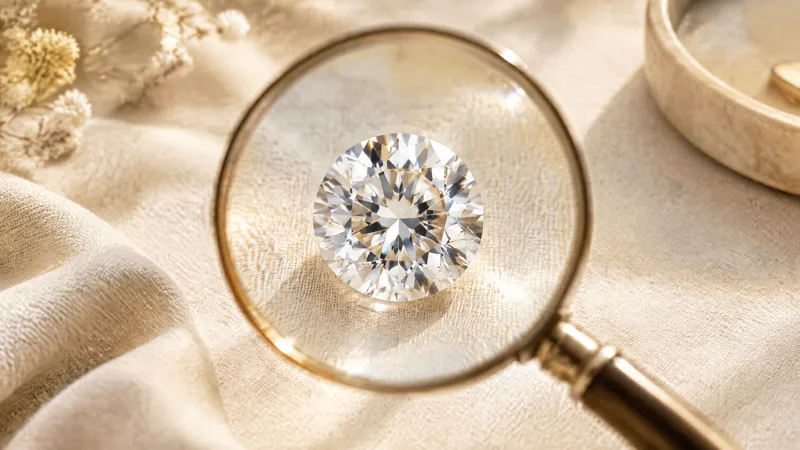
Debunking Common Lab Grown Diamond Myths
Lab grown diamonds attract more myths than any other category in fine jewellery. This guide takes every common myth and gives the honest,…
9 min read
Diamond Clarity Explained
Clarity is the fourth C — a measure of the presence, size, number and visibility of inclusions in a diamond. This guide explains every clarity…
9 min read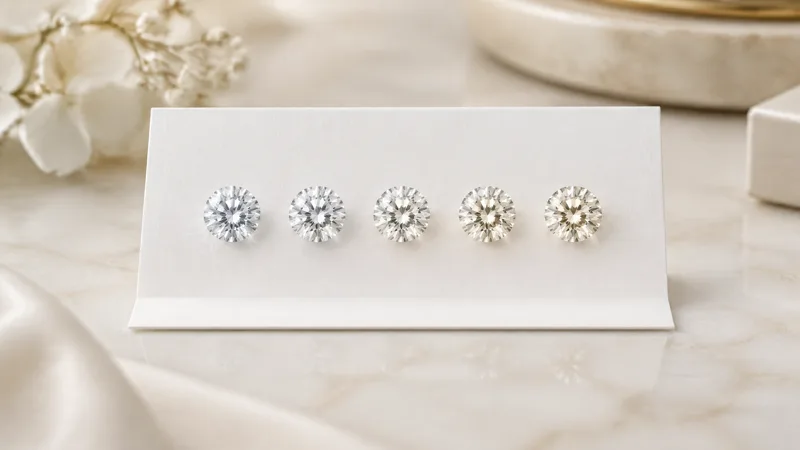
Diamond Colour Grading Explained
The diamond colour scale runs from D (completely colourless) to Z (clearly tinted yellow or brown). For most engagement ring buyers, the practical…
9 min read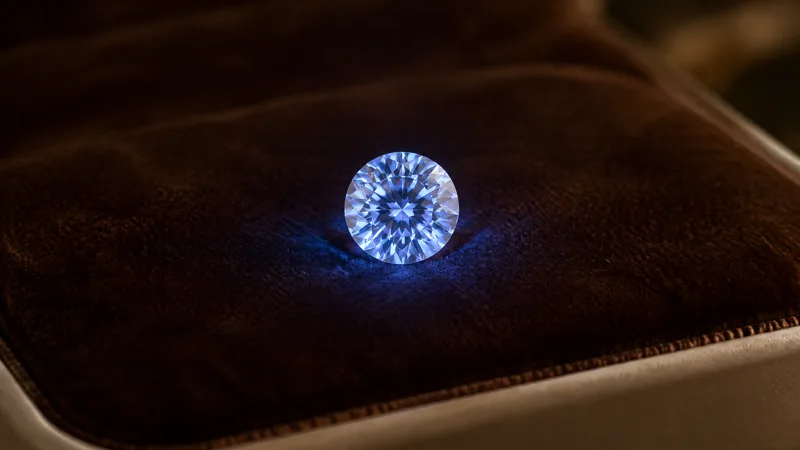
Diamond Fluorescence Explained
Fluorescence is the property that causes some diamonds to glow blue (or occasionally other colours) under ultraviolet light. It affects roughly…
10 min read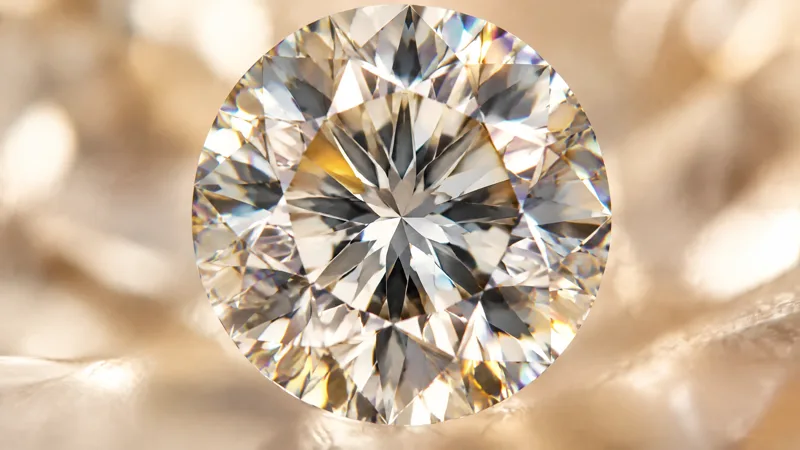
Diamond Inclusions — Types and How They Affect Sparkle
A diamond inclusion is a characteristic within the crystal formed during growth. Every diamond has some degree of inclusion — the question is…
10 min read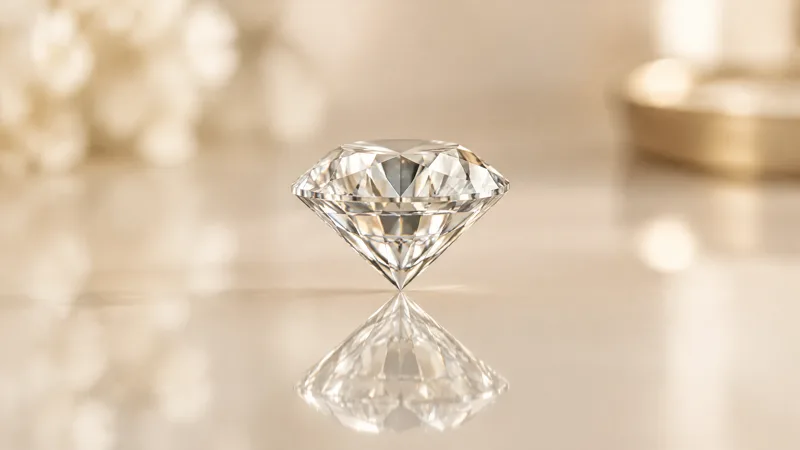
Diamond Proportions Guide — Why It Matters
The proportions of a diamond determine how light travels through it. Get them right and the diamond is brilliant. Get them wrong and light leaks,…
9 min read
Dutch Marquise Diamond — The Complete Guide
The Dutch marquise is a variation of the classic marquise with a wider body and softer points — delivering significant elongation with a more…
8 min read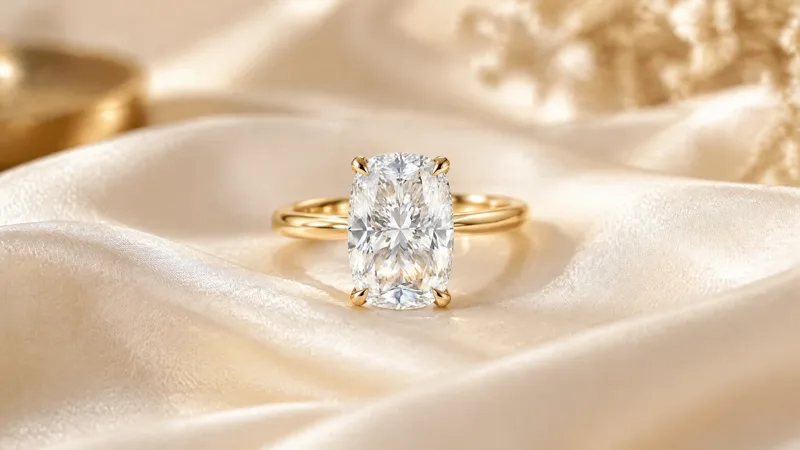
Elongated Cushion Cut Engagement Rings
The elongated cushion sits between the standard cushion and the oval — softer than oval, more flattering than the square cushion. It has become…
8 min read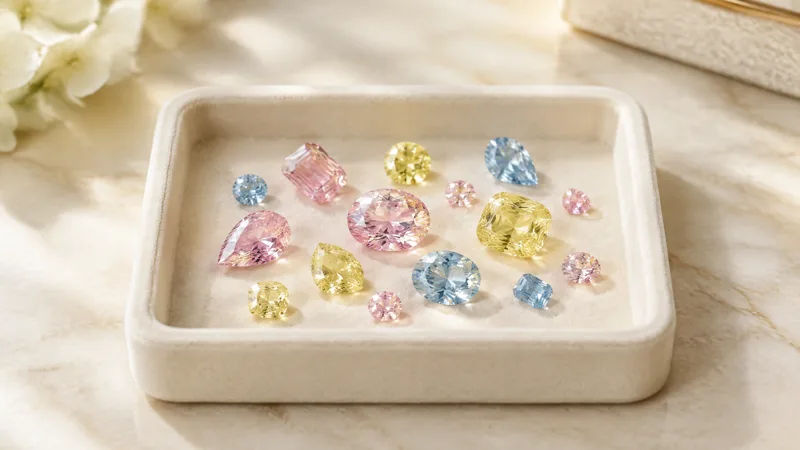
Fancy Coloured Lab Grown Diamonds
Lab grown technology makes fancy coloured diamonds — yellow, pink, blue and other colours — accessible at a fraction of the cost of natural…
10 min read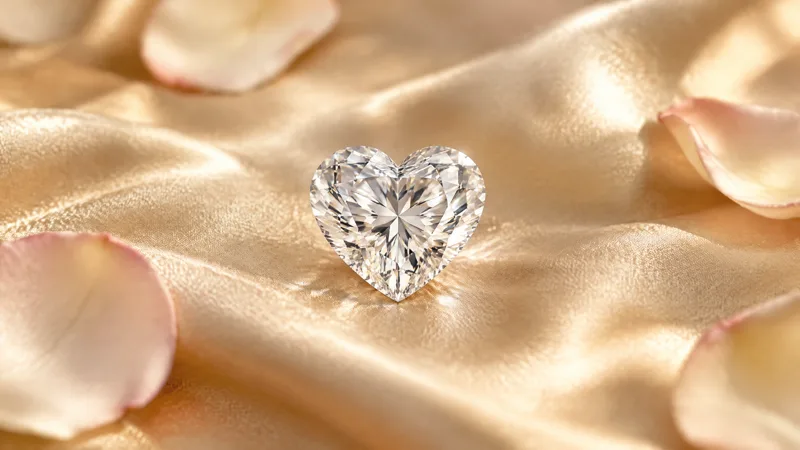
Heart Cut Diamond — The Complete Guide
The heart cut diamond is the most directly romantic of all diamond shapes — a brilliant-cut diamond in the outline of a heart. Unmistakably a love…
8 min read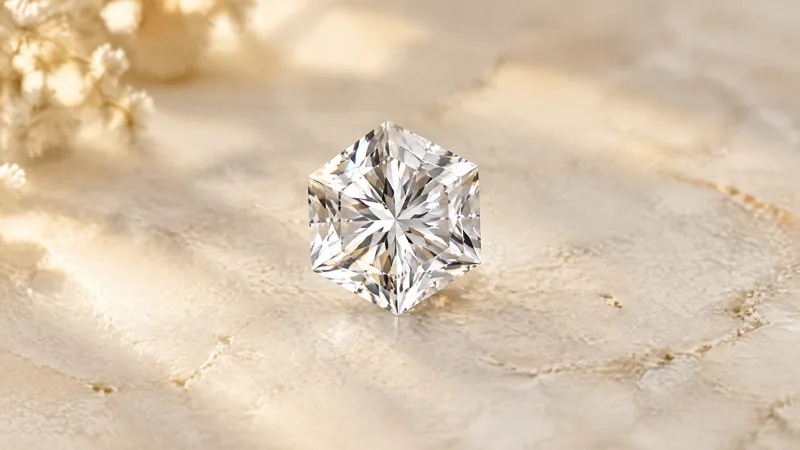
Hexagon Diamond — The Complete Guide
The hexagone diamond has six equal sides in a regular hexagonal outline — a completely non-standard shape with strong geometric character. Rare,…
8 min read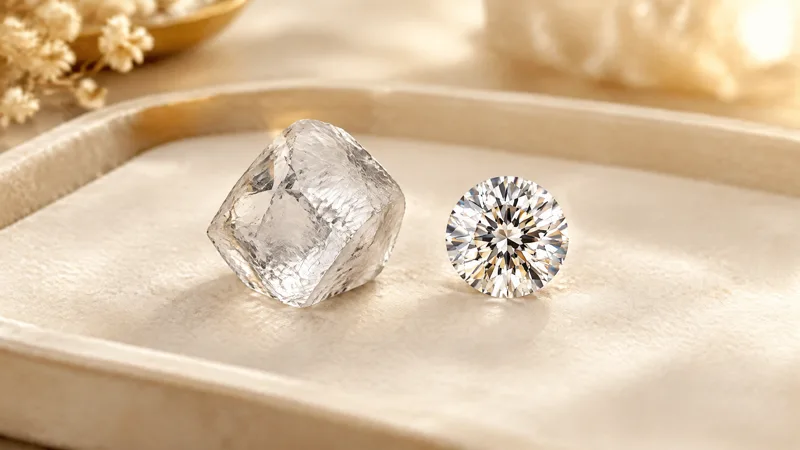
How Lab Grown Diamonds Are Made
Two processes produce every lab grown diamond: High Pressure High Temperature (HPHT) and Chemical Vapour Deposition (CVD). Both create genuine…
11 min read
How to Buy an Engagement Ring Online
Fenora is 100% online. Every ring is designed, discussed and ordered through free video consultations — no showroom, no pressure, no compromise on…
11 min read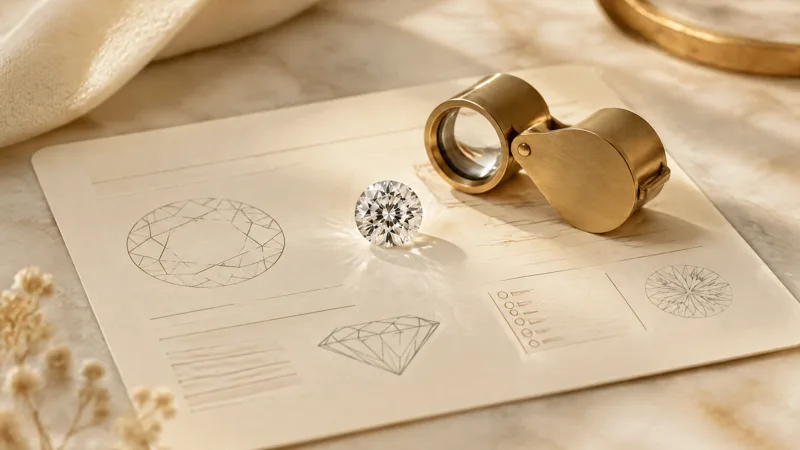
How to Read an IGI Diamond Certificate
Your IGI certificate is the independent quality record for your specific diamond. This step-by-step guide walks through every section — what each…
8 min read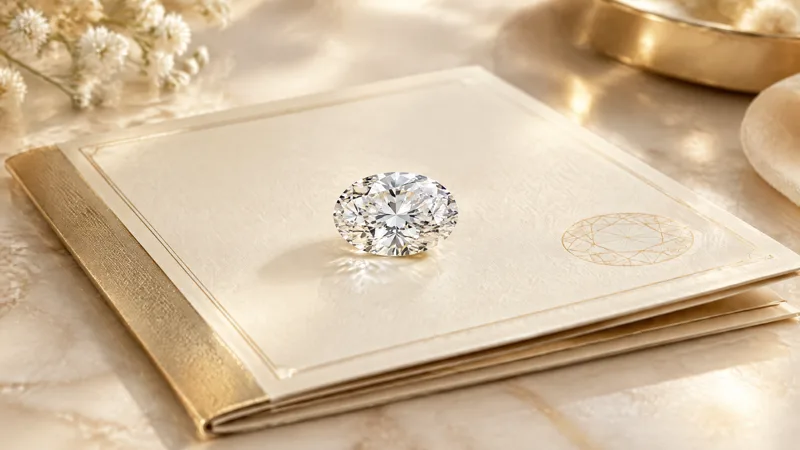
IGI Certificate Explained
Every Fenora diamond comes with an IGI certificate. This guide explains every field on that certificate in plain language — what each grade means,…
10 min read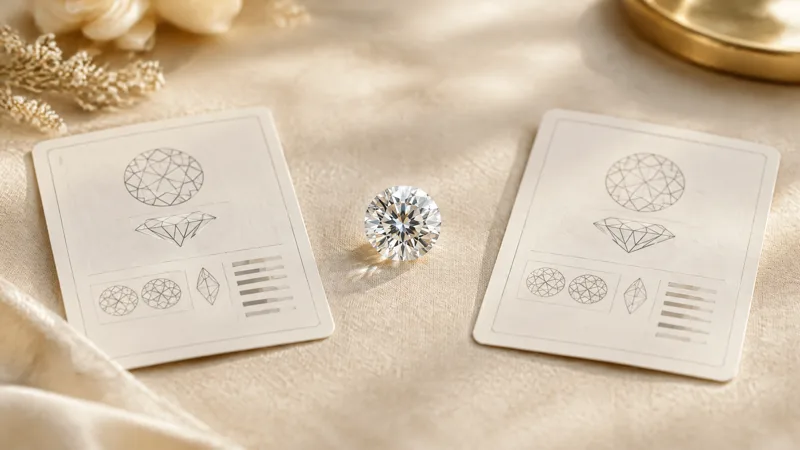
IGI vs GIA Diamond Certification
IGI and GIA are the two most internationally recognised independent diamond grading laboratories. Both produce valid, respected certificates. This…
9 min read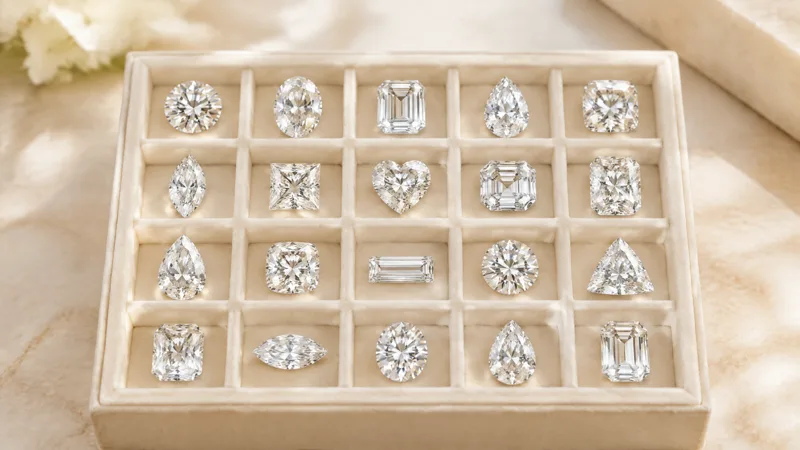
Inside the World of Lab Grown Diamonds
Lab grown diamonds are one of the most significant developments in the history of fine jewellery. This guide takes you inside the entire world —…
12 min read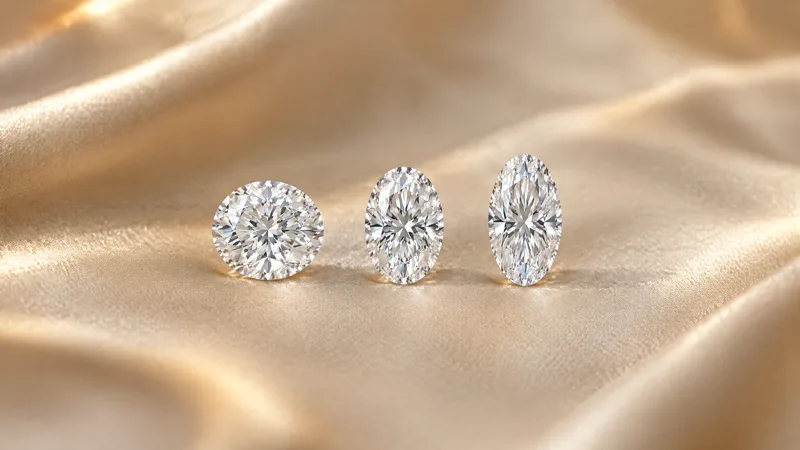
Lab Grown Diamond Ratios Guide
The length-to-width ratio of a diamond determines how elongated or compact it appears. For fancy shapes — oval, pear, cushion, emerald, radiant,…
9 min read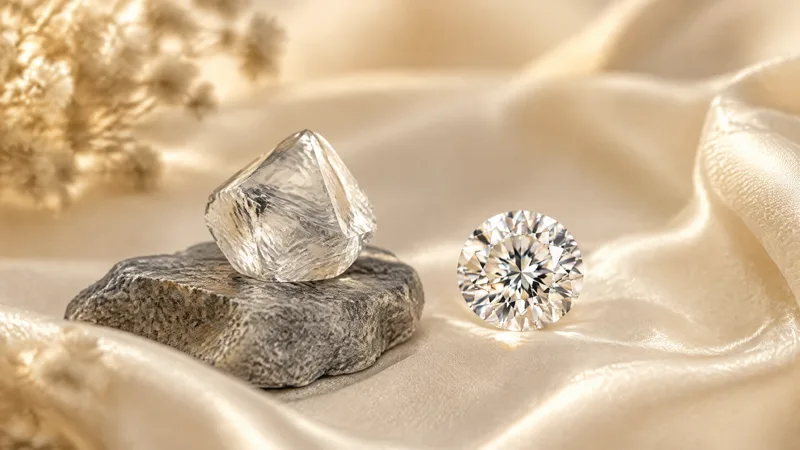
Lab Grown vs Mined Diamonds
The most important comparison in modern fine jewellery. Lab grown and mined diamonds are chemically identical — same carbon, same crystal, same…
11 min read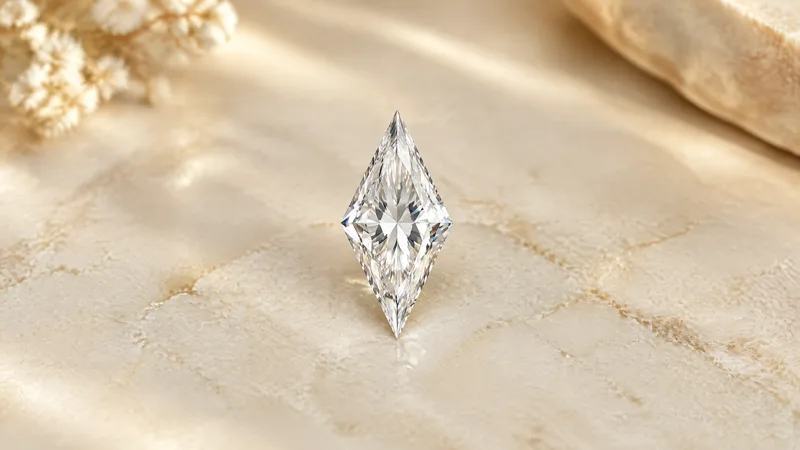
Lozenge Diamond — The Complete Guide
The lozenge diamond has four equal sides with points at the top, bottom and both sides — a rhombus outline that is one of the most geometric and…
8 min read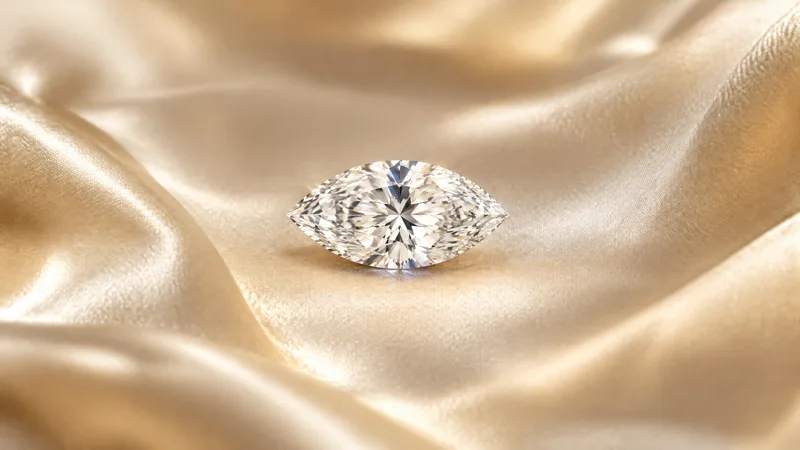
Marquise Diamond — The Complete Guide
The marquise is the most elongating diamond shape available. Pointed at both ends, widest in the middle — the marquise creates more…
8 min read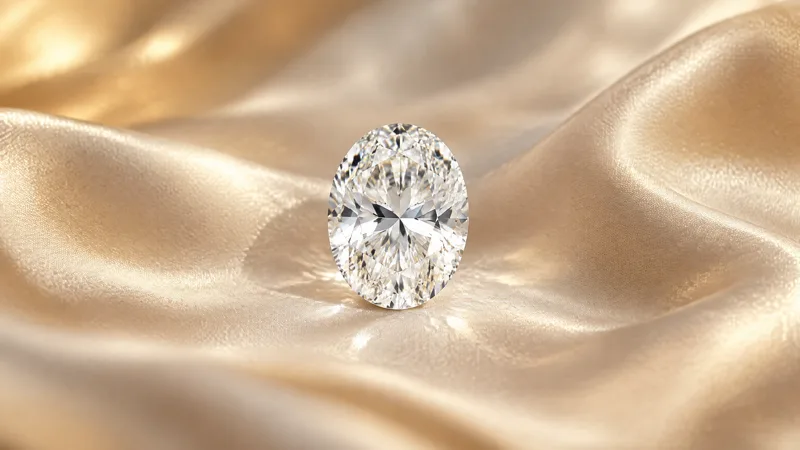
Oval Cut Diamond — The Complete Guide
The oval cut diamond is the most popular fancy shape — romantic, elongating and appearing larger per carat than any round brilliant of the same…
9 min read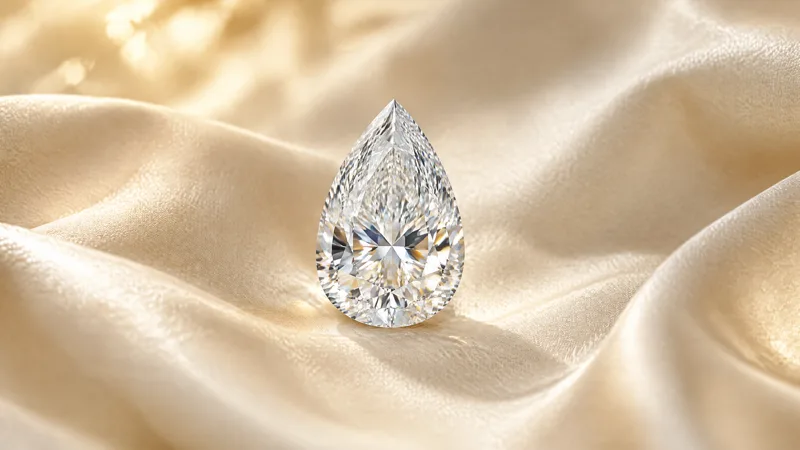
Pear Cut Diamond — The Complete Guide
The pear cut diamond — also called the teardrop — is one of the most romantic and flattering of all diamond shapes. Pointed at one end, rounded at…
9 min read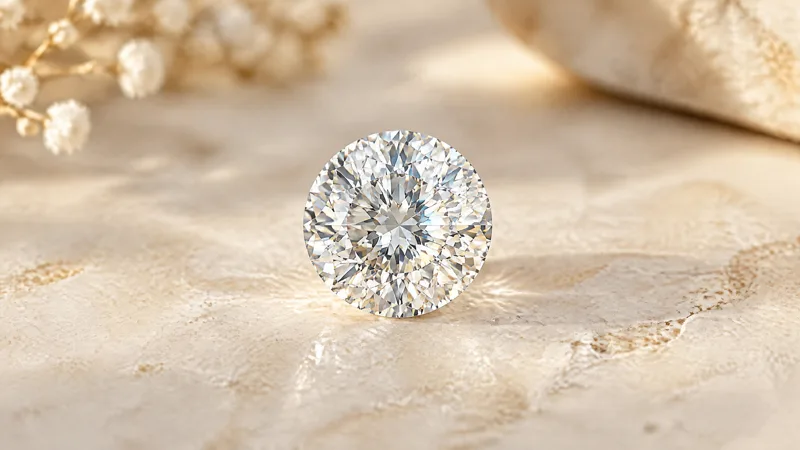
Portuguese Cut Diamond — The Complete Guide
The Portuguese cut diamond has more facets than any other cut in the Fenora collection — significantly more than the 58 of a round brilliant. The…
8 min read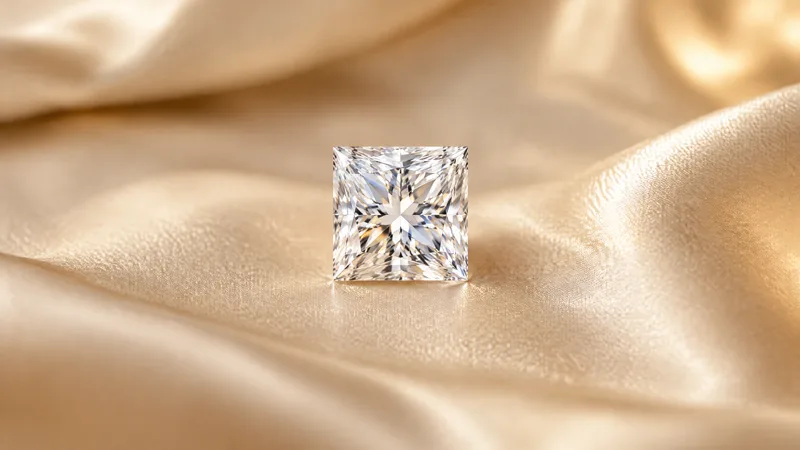
Princess Cut Diamond — The Complete Guide
The princess cut is a square brilliant-cut diamond with sharp corners and maximum sparkle. Second only to round brilliant in popularity, the…
8 min read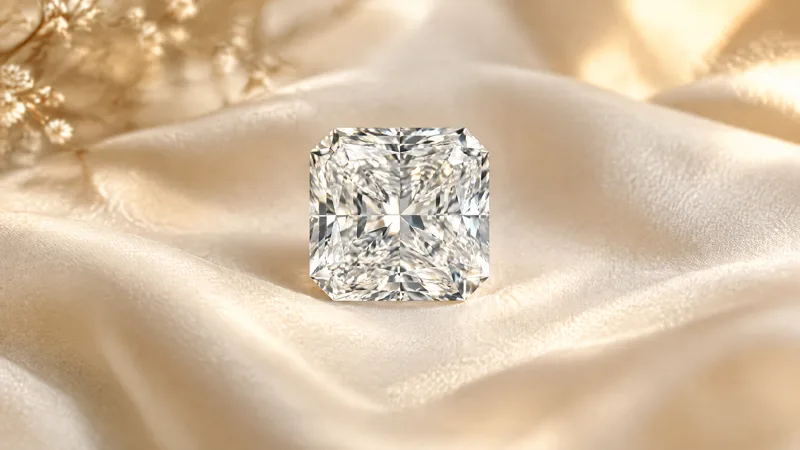
Radiant Cut Diamond — The Complete Guide
The radiant cut combines the rectangular shape of the emerald cut with brilliant-cut faceting — delivering maximum sparkle in a rectangular…
8 min read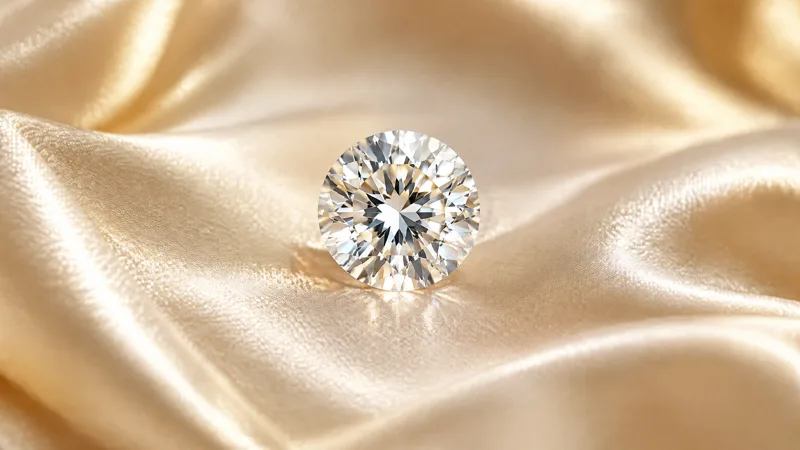
Round Brilliant Cut Diamond — The Complete Guide
The round brilliant cut is the most popular diamond shape in the world — and for good reason. Scientifically optimised for maximum light…
10 min read
Diamond Carat Guide
Carat is weight — not size. Understanding what that distinction means in practice is the key to getting the most visible, beautiful diamond within…
9 min read
Diamond Cut Guide
Cut is the most important of the 4Cs — and the most misunderstood. It does not mean the shape of the diamond. It means the quality of the faceting…
10 min read
The 4Cs of Diamonds
Cut. Colour. Clarity. Carat. These four qualities determine the appearance and value of every diamond — lab grown or mined. Understanding what…
10 minute read
The Environmental Impact of Lab Grown vs Mined Diamonds
The environmental comparison between lab grown and mined diamonds is one of the most significant arguments for lab grown — but it is nuanced, and…
10 min read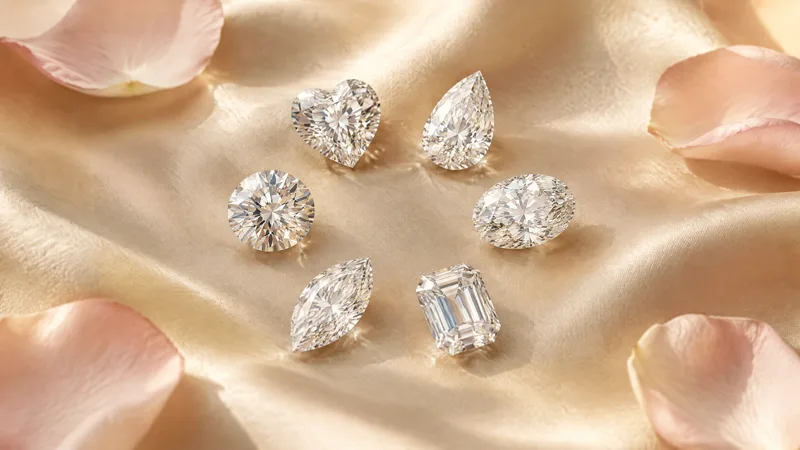
The Symbolic Meaning of Diamond Shapes
Every diamond shape carries its own character and associations. Round communicates timelessness. Oval communicates romance. Emerald communicates…
10 min read
What Shape is a Diamond?
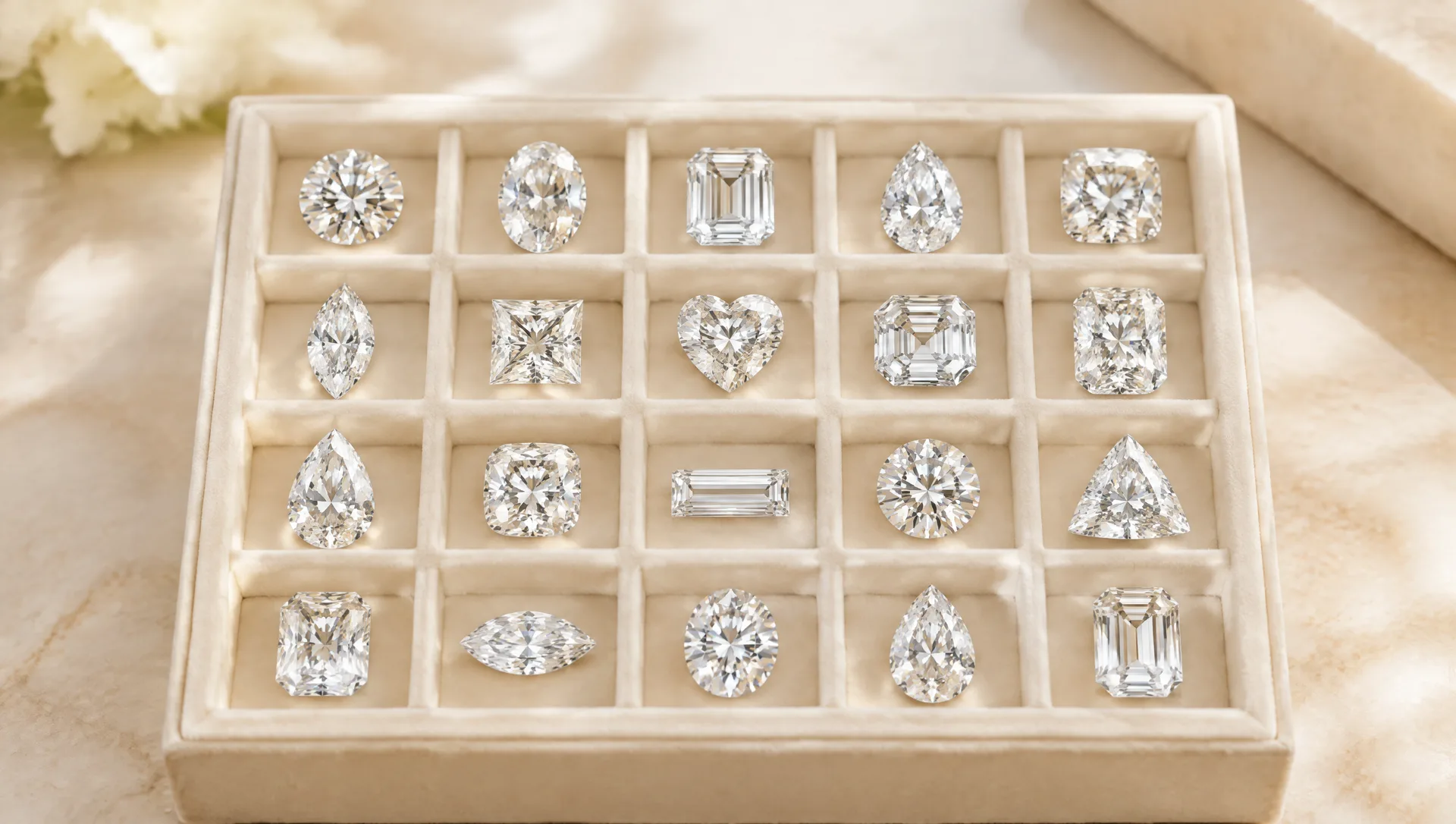
Diamonds come in 15 shapes — from the classic round brilliant to the distinctive hexagone, Portuguese and lozenge. This guide introduces…
8 min read
What is a Lab Grown Diamond?
A lab grown diamond is a real diamond. The same carbon atoms, the same crystal structure, the same physical and optical properties as a diamond…
11 min read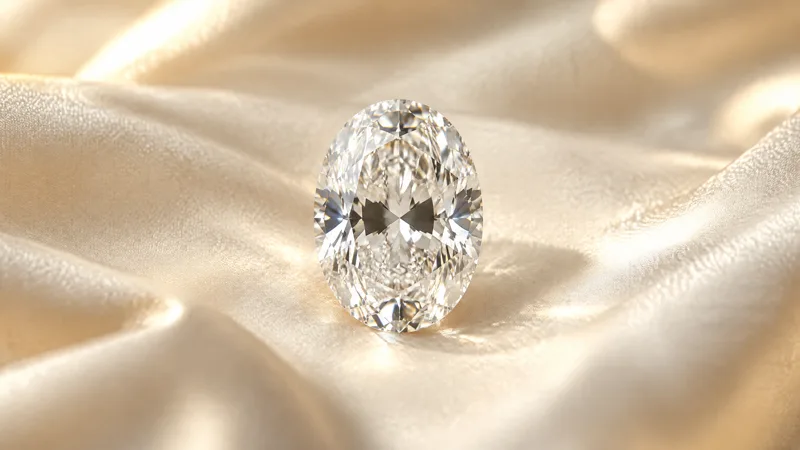
What is the Diamond Bow Tie Effect?
The bow tie effect is a dark shadow across the middle of certain fancy-shaped diamonds — most visible in oval, pear and marquise cuts. Every…
8 min read